
What to Ask Before Renting a Dumpster
Last Updated: October 30, 2026
Quick Summary
Before a dumpster rental, ask what size container you need, what the quote covers, and how many days are included. Confirm the tonnage allowance, overage rate, prohibited items, permit responsibility, and delivery and pickup logistics. Get every line item in writing so you can compare quotes.
One standard pickup bed holds about 2 cubic yards, so a 10-yard dumpster equals roughly five pickup loads.
Ask whether weight overage is charged pro-rated by the ton or as a flat penalty.
Common prohibited items include tires, paint, batteries, electronics, medical waste, and motor oil.
A container on a public street often needs a permit, while a driveway placement usually does not.
Ask what protection the company uses, such as boards under the container's rails.
Table of Contents
What Size Dumpster Do I Need?
The right size comes down to two numbers: the cubic yard capacity you need and the weight limit you can work within. Get either one wrong and you're looking at a second haul or an overage bill. The questions prospects ask most before booking are exactly these, and the answers shape everything else about the rental.
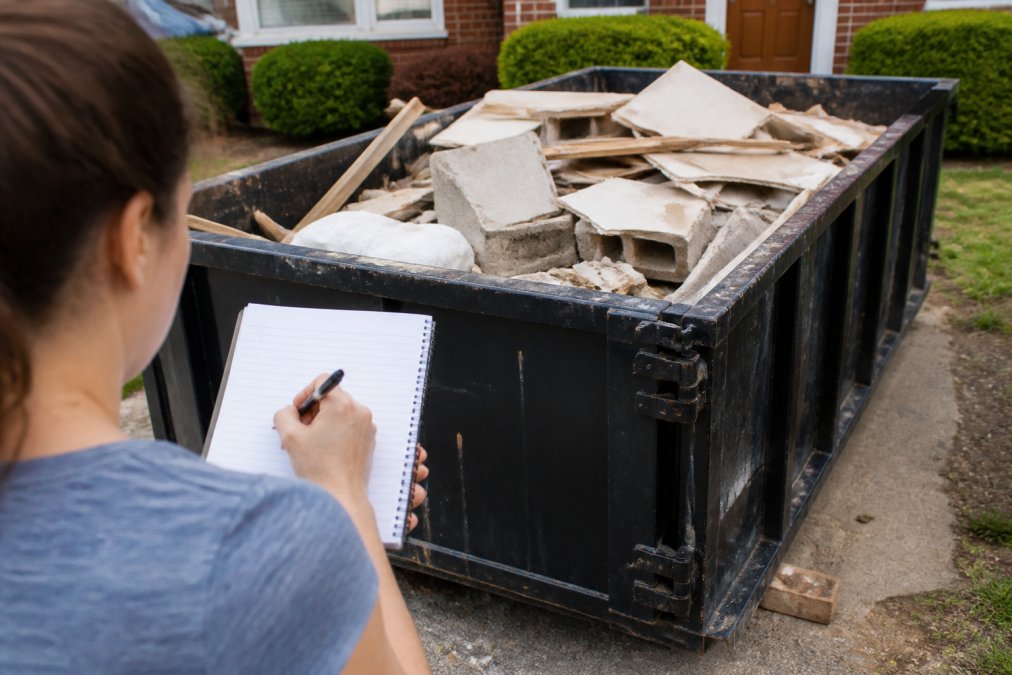
Cubic yard capacity is the volume of the container, measured in cubic yards. A 10-yard dumpster holds roughly 10 cubic yards of debris, a 20-yard holds 20, and so on. For a kitchen remodel, most homeowners land in the 10 to 20-yard range.
The honest answer to "what size dumpster do I need" is that it depends on what you're throwing away, not just how big the pile looks.
Calculating Volume vs. Weight
Here's the distinction that trips people up.
To estimate volume, think in pickup-truck loads. One standard pickup bed holds about 2 cubic yards.
To estimate weight, separate your debris into two piles in your head:
Heavy debris: concrete, brick, dirt, asphalt shingles, tile
Light debris: furniture, cardboard, insulation, wood framing, yard waste
If your project is mostly heavy debris, size up on weight, not volume. If it's mostly light and bulky, size up on volume.
If you're unsure which size fits your remodel, choosing the right dumpster size for a remodel walks through matching container size to your project.
What Does the Quote Actually Cover?
A quote that looks cheap can cost more than a quote that looks expensive. Our average cost of dumpster rental pricing guide explains what rental costs typically include.
Most dumpster rental quotes break down into a few common components:
Quote Component | What It Means | Ask About It |
Base rental rate | Container and rental period | How many days are included? |
Delivery and pickup | Truck time to drop and retrieve | Is it included or added on? |
Included tonnage | Weight allowance before overage | How many tons are covered? |
Overage rate | Cost per ton above the allowance | Is it pro-rated or flat? |
Environmental or disposal fees | Landfill tipping costs | Are these passed through? |
Permit fees | Local placement permits | Who files and who pays? |
The single most common surprise on a dumpster bill is the weight overage. A quote might include a set tonnage allowance, and anything above that gets billed per ton.
Ask, too, whether the quote includes delivery and pickup or adds them at the end.
How to Avoid Extra Charges on a Dumpster Rental
Extra charges come from four places: overweight containers, prohibited items, extended rental days, and re-delivery. You can head off most of them before the truck arrives.
Weigh your heavy debris. If you're filling a container with concrete or shingles, ask for the tonnage allowance up front and keep heavy material out of the last few feet of the container.
Keep the load level. Debris piled above the rim can't be hauled safely and may be refused or billed as a second pickup.
Sort out prohibited items before delivery. Tires, paint, and electronics don't belong in a standard container and can trigger a rejection fee.
Confirm your rental period. If your project runs long, ask about extending the rental rather than letting it lapse into an automatic extra-day charge.
If weight overage is your main worry, how to avoid dumpster weight overage fees covers the specific tactics in more depth.
Which Dumpster Rental Prohibited Items Should You Know?
Standard dumpsters take most household and construction debris, but a defined list of items is off-limits. These rules exist because of landfill regulations and because some materials need special handling.
Common prohibited items in a standard roll-off dumpster include:
Tires
Paint, solvents, and other liquids
Batteries
Electronics and appliances with refrigerant
Medical waste
Motor oil and automotive fluids
Yard chemicals and pesticides
Asbestos-containing materials
Some companies accept a few of these for an added fee, and some don't accept them at all. Ask specifically about anything on your project's debris list that might fall into a gray area, like a mattress, a refrigerator, or a bucket of old paint.
Where to Take Prohibited Items Instead
You don't have to guess where the banned items go. Most communities have dedicated drop-off options:
Household hazardous waste: Many counties run periodic collection events or permanent drop-off sites for paint, chemicals, and batteries. Check your county's waste district for dates and locations.
Electronics: Retailers and county recycling centers often accept old electronics for recycling.
Tires: Tire retailers typically accept old tires for a small disposal fee.
Appliances: Scrap metal recyclers and some retailers accept appliances, sometimes with a pickup service.
The EPA's household hazardous waste guidance explains why these materials need separate handling and where to find local options. Sorting them out before the dumpster arrives keeps your load clean and avoids a rejection fee.
How Long Is the Dumpster Rental Period?
Most standard dumpster rentals run for a set period, often measured in days, and the rental duration is one of the most negotiable parts of the agreement.
A weekend bathroom demo and a month-long addition need very different timelines.
Ask, too, about pickup scheduling. Some companies pick up on a fixed route, which means your container might sit an extra day or two after you call. Others schedule pickup when you call.
For current rental plans and prices, visit the JRS Dumpster Rentals website and request a quote to match a rental period to your project timeline. You can also review our plans and pricing to see the available options.
What Should You Know About Dumpster Delivery and Pickup?
Delivery and pickup logistics decide whether the rental runs smoothly or turns into a headache. The truck needs clear access, a level surface, and enough overhead clearance.

A few questions worth asking:
Where will the container sit? Confirm the exact spot, and make sure it's clear of the garage, mailbox, and utility lines.
How much room does the truck need? A roll-off truck needs a clear path and turning room. Park cars out of the way before delivery day.
Will the driver place boards under the container? Driveway protection matters, and it's worth asking about up front.
How do I schedule pickup? Confirm the process and the notice required.
Protecting Your Driveway During the Rental
A loaded dumpster is heavy, and the steel container can scratch or crack a driveway if it's set down carelessly. Ask the company what it does to protect the surface.
If your driveway is asphalt in summer heat, ask the driver to avoid setting the container down during the hottest part of the day, when asphalt softens. Point out any sprinkler heads, drains, or expansion joints you want avoided.
Do You Need a Permit, and Who Handles It?
Whether you need a permit depends on where the container sits. A dumpster placed on private property, like your driveway, usually doesn't require one.
Ask the rental company directly: does this placement need a permit, and who files for it?
If you're placing the container on your own property, confirm the placement is clear of easements and utility lines. When in doubt, call your local building or public works department and ask.
Is the Company Licensed, Insured, and Reliable?
Reliability is the question that separates a smooth rental from a stressful one. Ask whether the company is licensed and insured, who owns and operates the trucks, and how long it's been in business. A company that owns its trucks and answers its own phone is easier to hold accountable than one that brokers the job out.
A few reliability checks worth running:
Insurance: Ask the provider for proof of liability coverage.
Local presence: A local company knows the area's permit rules and landfill routes.
References: Ask for recent customer references, especially for projects like yours.
Response time: Ask how quickly they answer calls and how fast they can deliver.
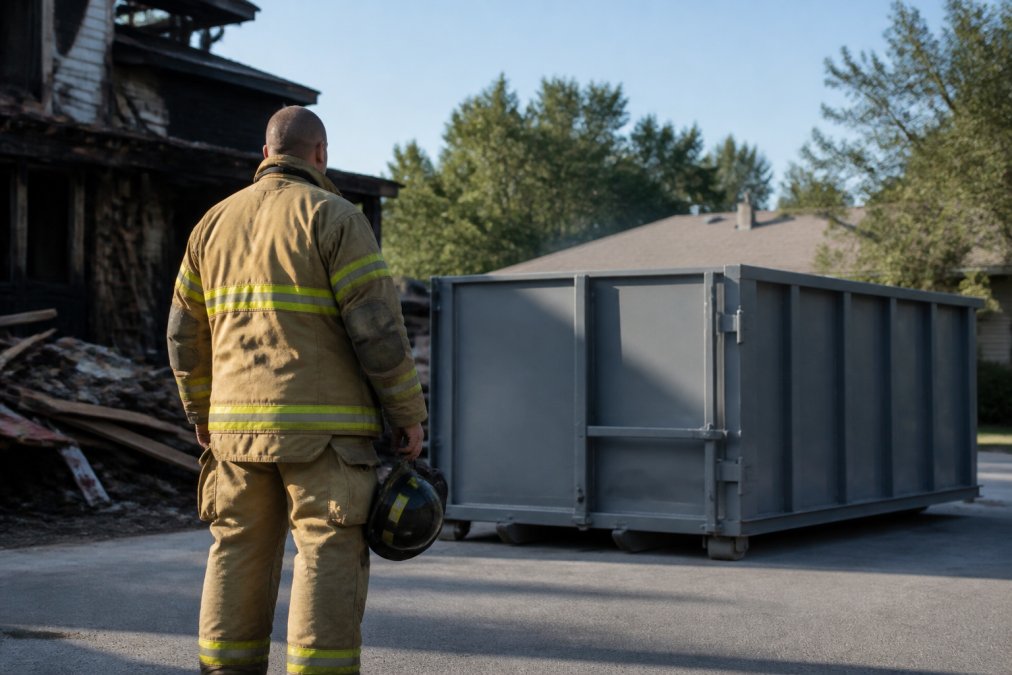
At JRS Dumpster Rentals, we're firefighter owned and operated. We offer next-day rentals, include driveway protection, and price pro-rated additional weight, with no hidden fees.
Requesting Your Dumpster Rental Quote
The best quote is the one you can compare line by line. When you call, have your project details ready: what you're throwing away, roughly how much, where the container will sit, and how long you need it. Ask for the quote in writing with every component spelled out, from the base rate to the overage terms.
A short checklist for the call:
Confirm the container size and the tonnage allowance
Confirm what the quote includes: delivery, pickup, disposal, permit
Confirm the rental period and the cost of an extra day
Confirm the overage rate and whether it's pro-rated
Confirm the prohibited items list
Confirm the delivery date and placement spot
When you're ready to move forward, you can book a dumpster online with flexible scheduling and next-day drop-off.
Frequently Asked Questions
What should I ask before renting a dumpster?
Ask about the container size that fits your debris type, what the quote includes (delivery, pickup, disposal, and tonnage), the weight limit and overage rate, the rental period and extension terms, which items are prohibited, and whether a permit is required for where the dumpster will sit. Confirm the company is licensed and insured, and get the total cost in writing so nothing surprises you on pickup day.
How do I know what size dumpster I need?
Match the size to the job. A small container suits a bathroom tear-out or a garage cleanout, while a mid-size unit handles a kitchen remodel or a moderate estate cleanout, and larger units fit whole-home renovations or new construction. Estimate volume in cubic yards by multiplying length by width by height of your debris pile, then round up. Ask the provider to recommend a size based on your project type so you avoid a second haul.
What items are not allowed in a rental dumpster?
Most dumpster rental prohibited items lists include paints, solvents, motor oil, batteries, tires, propane tanks, appliances with refrigerant, electronics, and medical waste. These need separate disposal through household hazardous waste events, retailer take-back programs, or municipal drop-off sites. Ask for the prohibited items list in writing before you load, because putting banned material in the container can trigger removal fees or a rejected haul.
How long can I keep a dumpster rental?
Rental periods vary by provider and typically run from a few days to a couple of weeks, with daily or weekly extensions available. Confirm the included days, the extension rate, and how much notice the company needs for pickup. If your project timeline is uncertain, ask whether you can extend mid-rental and whether a swap for a full container is possible without a new delivery charge.
Can a dumpster be placed on a driveway?
Yes, driveways are the most common placement, but the container's weight can crack or stain concrete and asphalt. Ask whether the company uses boards or mats under the rails, keeps the container on the pavement rather than the lawn, and avoids placing it over utility lines or septic fields. Confirm the truck has clear access and overhead clearance, and check local rules if the container will sit on a street.
Renting a dumpster shouldn't come with surprise fees or a container that shows up a week late. JRS Dumpster Rentals is firefighter owned and operated, serving homeowners and contractors with next-day rentals, driveway protection included, and no hidden fees. We price additional weight pro-rated by the ton, so you pay for what you actually throw away. Get started with JRS Dumpster Rentals and book a container that fits your project, your timeline, and your budget.

Comments