
How to Sort Construction Site Waste: Best Practices
Last Updated: November 7, 2026
Quick Summary
Sort construction site waste at the source by giving wood, metal, drywall, concrete, and cardboard their own labeled bins placed near where each material is produced. Build a written waste management plan before day one, name a sorting lead, and run daily bin checks to keep contamination down.
Keep treated and painted wood separate from clean dimensional lumber, which salvages more easily.
Metal is the highest-value stream on most jobs, so keep it out of the mixed bin.
Place each container within a few steps of where that material is produced.
Assign the sorting lead to walk every bin each morning before work starts.
Track total tonnage, diverted tonnage, contamination rate, and disposal cost on every job.
Need a dumpster for your next job?
JRS Dumpster Rentals offers next-day delivery, driveway protection, and honest pricing with no hidden fees.
Table of Contents
Why Sorting Construction Site Waste Pays Off
Sorting construction site waste before it leaves the property is the cheapest way to cut disposal costs and keep a project moving.
Mixed debris is heavy and hard to process; sorted debris is lighter, cleaner, and easier to recycle.
Most guides treat sorting as a last-day cleanup task.
Below is a full sorting plan, material by material, with the bin layout and quality checks that keep it working.
Building a Construction Waste Management Plan Before Day One
A construction waste management plan is a written document that lists every waste stream on the job, where each material goes, and who is responsible for it. It gets built before demolition starts, not after the first dumpster fills up.
Contractors planning waste sorting upfront can find the rental side in our local dumpster rental for contractors guide. The plan itself should answer four questions:
What materials will this job produce?
Which ones can be reused or salvaged on site?
Which bins go where, and how many?
What Goes in the Plan
Keep it to one page per phase: material streams, the container assigned to each, and the hauler pickup schedule. Add a short section on hazardous items so nobody throws a half-full paint can into the wood bin.
Name a sorting lead. One person owns the plan, trains the crew, and does the daily bin check. When nobody owns it, sorting falls apart by week two.
Your Construction Debris Sorting Guide: Material by Material
This construction debris sorting guide breaks each common material into where it goes, what it must not be mixed with, and what to watch for. Get these rules right and contamination drops fast.
Jason Schroeder
Wood, Metal, Drywall and Concrete
Wood goes in its own bin. Keep treated lumber, painted wood, and plywood separate from clean dimensional lumber, which salvages and sells more easily.
Metal is the highest-value stream on most jobs. Scrap steel, copper pipe, and aluminum framing all have buyers, so keep metal out of the mixed bin.
Drywall needs a dedicated container. It is heavy, crushes easily, and contaminates other streams when it breaks apart, so keep it dry and separate.
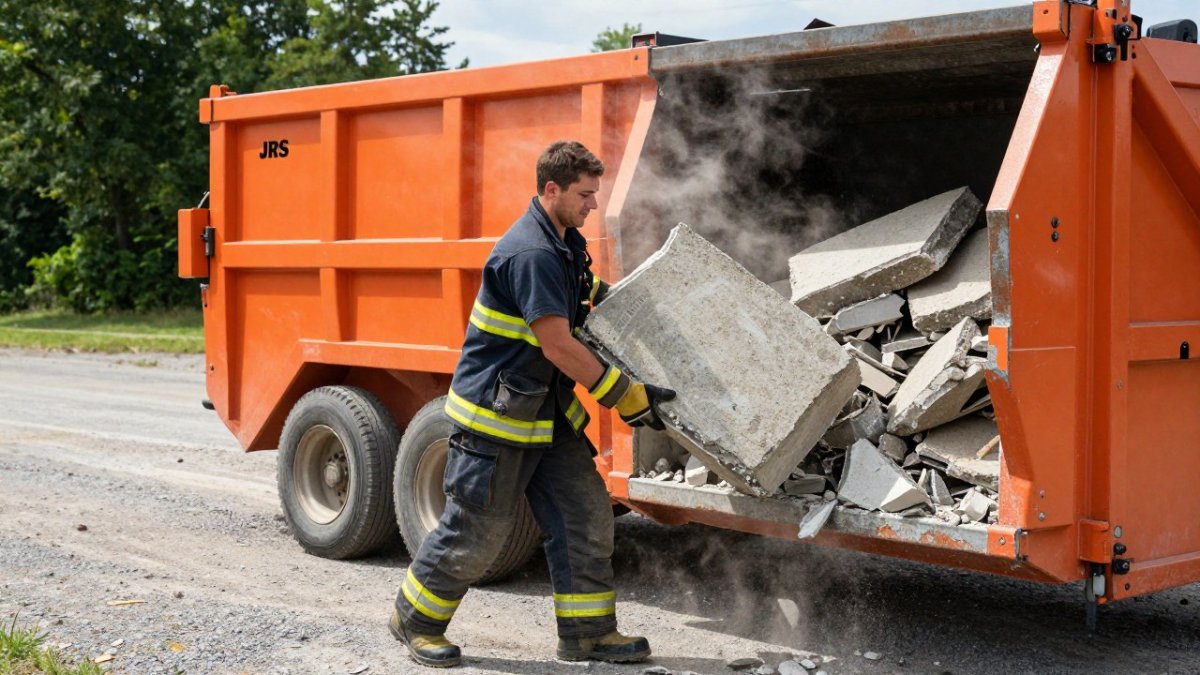
Concrete, brick, and stone are heavy and dense. Brick, gravel, stone, and concrete are all fine in a 6 yard concrete dumpster, which keeps heavy debris out of your general waste container.
Cardboard, Packaging and Mixed Waste
Cardboard flattens fast and takes up space. Break boxes down and keep a separate bin near the delivery area where cardboard piles up.
Packaging film, plastic wrap, and foam are usually non-recyclable in this stream. Send them to mixed waste, not the cardboard, wood, or metal bins; plastic film tangles sorting equipment and foam breaks into hard-to-separate pieces.
Mixed waste is the catch-all for genuinely unsortable debris. Keep it small, the bigger the mixed bin, the lazier the sorting gets.
Hazardous and Regulated Materials
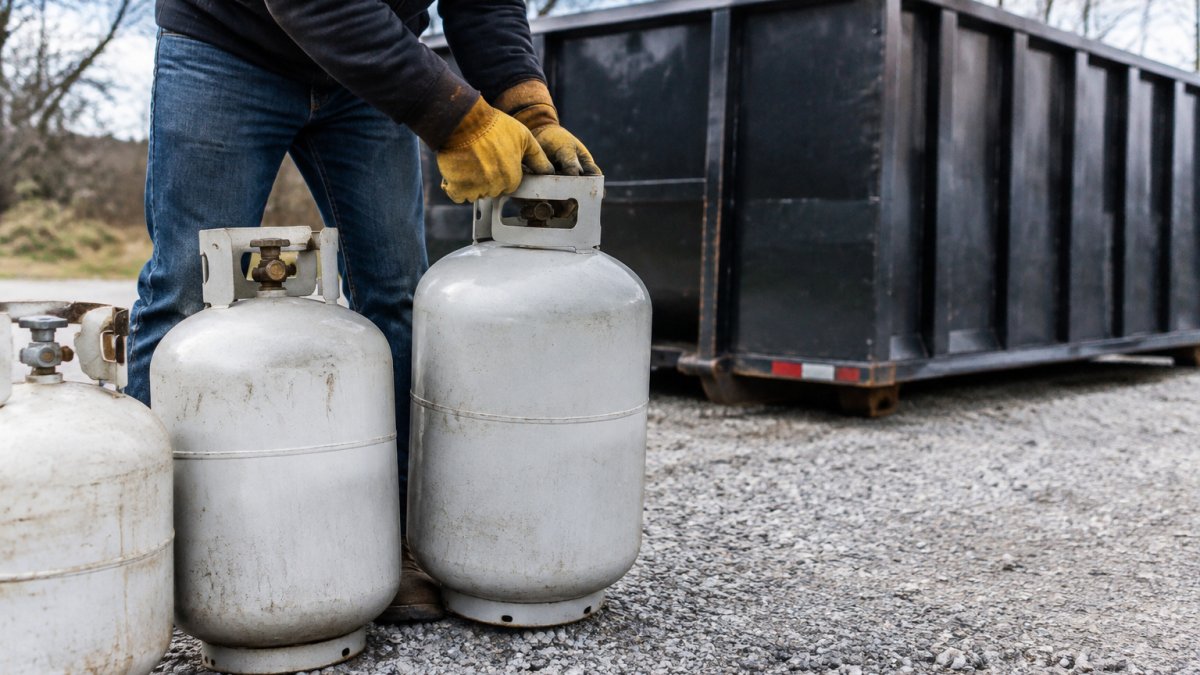
Some materials never go in a general debris bin. They are regulated waste and need special handling, labeling, and a separate disposal route. Identify them before demolition starts and isolate them in a locked, labeled area.
Asbestos-containing materials: Found in older insulation, floor tile, ceiling tile, and pipe wrap. Do not disturb, break, or dry-sweep these materials. Isolate the area, keep workers out, and have a qualified inspector test before any removal. Follow applicable regulations for handling and disposal.
Lead-painted debris: More common in older buildings. Do not sand, cut, or grind painted surfaces without controls. Keep lead-painted wood and metal separate from clean streams and follow applicable regulations for disposal.
Solvents, adhesives, and oil-based paints: Always hazardous. Store in sealed, labeled containers and route to a hazardous waste collection event. Do not pour them into the mixed bin or down drains.
Watch out: leaving a half-full paint can or a battery in the mixed bin can turn the whole load into regulated waste and stall your pickup.
Setting Up Bins, Labels and Site Layout
Good bin layout does more for your diversion rate than any training session. Put each container within a few steps of where that material is produced, and crews will use it correctly without thinking.

Follow these layout rules:
Place the wood bin near framing and demolition work.
Put the metal bin near the tear-out zone.
Keep cardboard bins at the delivery and unpacking area.
Line the heavy-debris container near concrete and masonry work.
Label every bin with words and pictures. If you are still deciding how many containers and what sizes to place, our guide on choosing the right dumpster size for a remodel walks through the trade-offs.
Walk the site with the crew on day one and point at each bin. Ten minutes of orientation beats a week of cleanup later.
How to Dispose of Leftover Paint and Solvents Safely
Rules vary by material and local disposal authority, so check with your hauler and your local household hazardous waste program before loading anything. Common cases:
Latex paint: if the can is mostly full, seal it and route it to a hazardous waste collection. If it is nearly dry, some programs accept it with solid waste, but confirm first.
Oil-based paint and solvents: always hazardous. Store in sealed, labeled containers and route to a collection event.
Rags and absorbents: solvent-soaked rags can ignite. Store them in a sealed metal can, away from the building.
Once you know which items need special handling, you can plan the rental around them. Our plans and pricing page shows the container options for the rest of the debris.
Construction Waste Recycling and Salvage That Actually Works
Construction waste recycling works best when you salvage first and recycle second. The materials you keep out of the bin entirely are the cheapest to handle.
Start with deconstruction instead of demolition where the schedule allows.
Then set up recycling for the high-volume streams:
Clean wood to a mulch or biomass processor
Metal to a scrap buyer
Cardboard to a recycling hauler
Clean concrete and brick to a crusher
Local materials recovery facilities and haulers can tell you which streams have end markets in your area.
What most guides miss is that salvage needs a staging area.
Preventing Contamination and Checking Quality
Contamination is the quiet killer of a sorting program. One bag of trash in the cardboard bin can send the whole load to the landfill. The fix is a repeatable inspection routine with clear corrective actions, not a one-time reminder.
Build a Daily Bin Check
Assign the sorting lead to walk every bin each morning before work starts. The check takes five minutes and follows the same sequence every time:
Look at the surface and the edges. Contamination usually shows up at the top and around the rim, where crews toss items without looking.
Pull anything that does not belong. Keep a small mixed-waste bag on the walk for items you remove.
Check the label. If the sign is missing, torn, or covered in dust, replace it before the crew starts.
Log the result. Note the bin, the type of contamination, and the approximate volume. A simple notebook or phone note is enough.
Weekly Quality Check
Once a week, do a deeper check on the two highest-volume streams, usually wood and cardboard. Open a few bags or lift a few pieces to see what is underneath; contamination hides at the bottom of the bin.
Score each bin on a simple three-point scale: clean, minor contamination, or major contamination. Post the scores where the crew can see them. A visible scoreboard changes behavior faster than a memo.
Corrective Actions That Actually Work
When a bin fails a check, match the response to the problem:
Minor contamination (a few items): Remove the items, note the bin, and mention it at the next toolbox talk.
Major contamination (a visible layer of wrong material): Stop loading that bin, remove the contamination, and retrain the crew on that specific stream. If the load is already scheduled for pickup, call the hauler before it leaves the site.
Repeated contamination in the same bin: Move the bin closer to the work area, add a larger label with pictures, or assign one crew member to monitor it for a week.
Contamination traced to one trade: Talk to the subcontractor directly. A short conversation with the foreman is usually more effective than a general reminder.
Train on the Three Most Common Mistakes
Most contamination comes from a small number of habits. Train workers on these first:
Bags of lunch trash tossed in the wood bin
Plastic wrap mixed into cardboard
Drywall scraps dropped in the metal bin
Post the rules at each bin and repeat them at every toolbox talk. If you are worried about mixed loads and weight charges, our guide on how to avoid dumpster weight overage fees explains what drives those costs and how to prevent them.
Track Contamination Rate
Contamination rate is the share of inspected bins that fail a check: divide failed bins by bins inspected, then multiply by 100. Review it weekly with the crew. When it drops, say so; when it spikes, find the bin and fix the habit. The right target depends on your materials and hauler requirements.
Measuring Diversion and Reporting Results
You cannot improve what you do not measure. Track three numbers on every job: total tonnage hauled, tonnage diverted, and contamination rate.
Diversion rate is the share of total waste kept out of the landfill. Calculate it by dividing diverted tonnage by total tonnage, then multiply by 100.
Keep a simple log:
Metric | How to Track | Why It Matters |
Total tonnage | Hauler tickets | Baseline for every other number |
Diverted tonnage | Recycling and salvage receipts | Shows real progress |
Contamination rate | Daily bin checks | Catches problems early |
Disposal cost | Hauler invoices | Ties sorting to the budget |
Sorting construction site waste is a habit, not a one-time task, and the crews that treat it that way finish cleaner and cheaper.
Frequently Asked Questions
How should construction site waste be sorted?
Sort at the source, meaning separate materials where they are generated instead of piling everything into one container. Set up clearly labeled bins for wood, metal, drywall, concrete, cardboard and general trash, and place them close to the work area. Keep hazardous items like paint and solvents in a separate, covered area. A simple construction debris sorting guide posted on site helps every worker put material in the right bin the first time.
What materials can be recycled from a construction site?
Clean wood, scrap metal, cardboard, concrete, brick and drywall are commonly recycled. Unused or lightly used materials such as doors, cabinets, fixtures and lumber can often be salvaged or donated. Keep recyclables free of food waste, plastic wrap and liquids, because contamination can send a whole load to the landfill. Check with your hauler or local materials recovery facility about what they accept before you set up your bins.
How can contractors reduce waste on a construction site?
Order materials accurately, store them under cover, and cut to measured dimensions rather than guessing. Reuse formwork and offcuts where possible, and salvage fixtures before demolition. Set up source separation bins and train workers on the sorting rules. Track landfill tonnage and recycling rate so you can see where waste is coming from. A written construction waste management plan ties these steps together and keeps the whole crew on the same page.
What should a construction waste management plan include?
A practical plan names the materials you expect, the bins and containers you will use, where they sit on site, who empties them and how often. It should cover hazardous waste handling, salvage and donation steps, and how you will measure diversion rate. Include the hauler's contact details and pickup schedule, plus a simple log for landfill tonnage and recycling. Review the plan at the start of each phase so it stays accurate as the job changes.
Comments